

Traveling to a major sporting event is an experience many fans look forward to for months. Once the flights are booked and the tickets are secured, it’s easy to focus on the excitement ahead.
But while you’re planning your itinerary, it’s also worth taking a few minutes to think about protecting your finances.
Large international events often create opportunities for fraudsters. Travelers are purchasing tickets, making payments on the go, and using unfamiliar websites and payment methods, all of which can increase the risk of fraud if you’re not careful.
“A little preparation before your trip can make a big difference,” says Michelle Gonzalez, Fraud Prevention Manager at Amerant Bank. “Knowing what to look for makes it much easier to recognize suspicious activity before it becomes a bigger problem.”
Here are a few of the most common scams to keep on your radar, along with practical tips to help you protect your money before and during your trip.
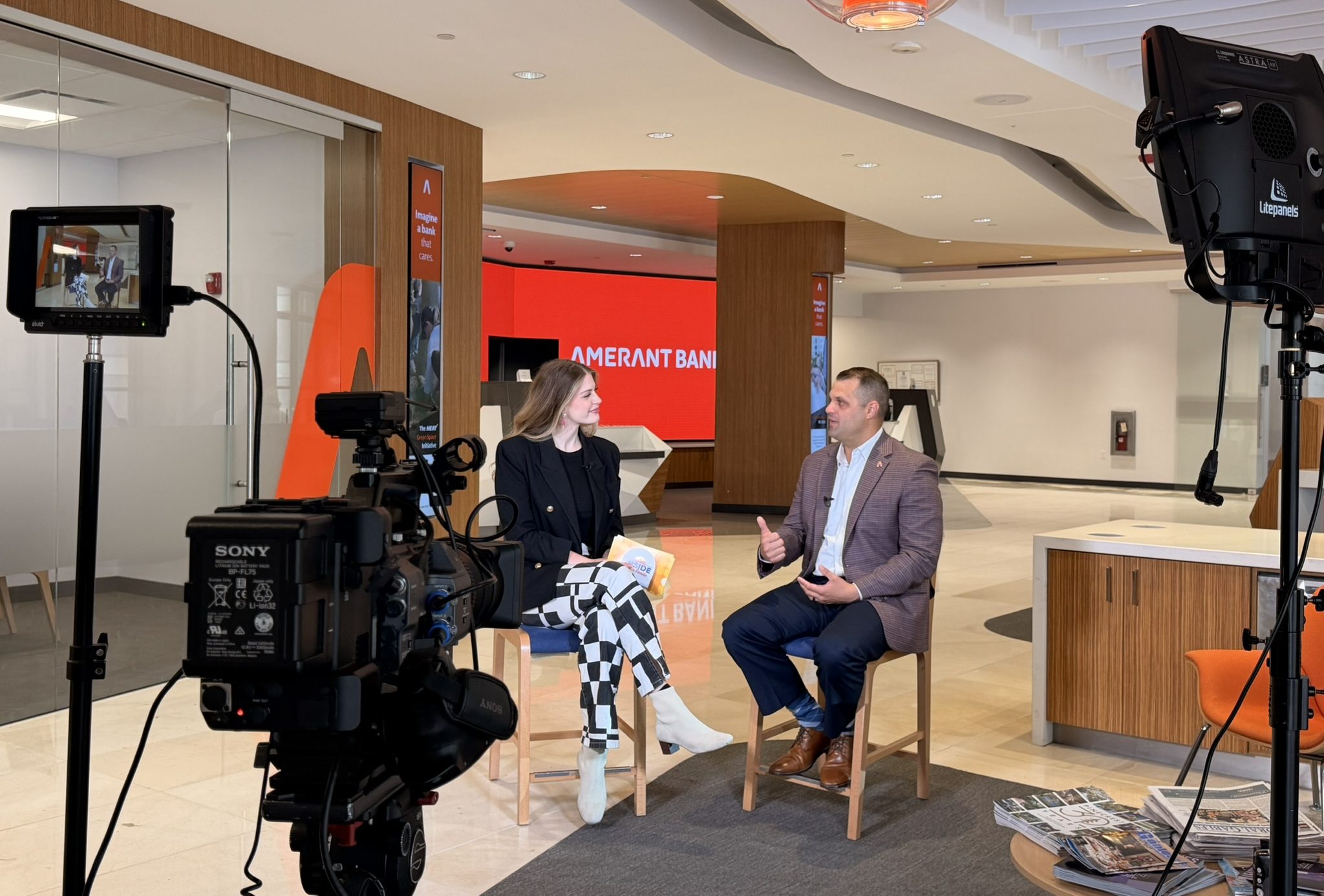
Watch Michelle’s fraud prevention tips before you travel.
Scam #1: Fake Tickets
Finding tickets at the last minute can be stressful, especially when an event is nearly sold out.
That’s exactly what scammers count on.
Fake ticket websites are becoming increasingly convincing. Some copy the look and feel of legitimate sellers, while others advertise through online marketplaces or social media. Their goal is simple: get you to pay before you realize the tickets don’t exist.
If a deal seems too good to be true, it probably is.
Before purchasing, compare prices with other reputable sellers. Look closely at the website address, check for misspellings, and avoid clicking on ticket offers sent through unsolicited emails or messages.
Another warning sign is the payment method. If someone insists on receiving money through a direct person-to-person payment, think twice. Once those funds are sent, recovering them can be difficult.
Whenever possible, purchase through official ticket sellers or trusted resale platforms.
Scam #2: Payment Fraud While You’re Out
From restaurants and public transportation to merchandise stands and local shops, you’ll likely use your card several times throughout the day.
Using a digital wallet or contactless payment can help reduce your risk because your card stays in your possession during the transaction.
It’s also a good idea to pay attention before scanning a QR code. Fraudsters sometimes replace legitimate QR codes with fraudulent ones that direct people to fake payment pages.
Before entering any payment information, confirm that the website looks legitimate and that the web address matches the business you’re trying to pay.
If you need cash, choose ATMs located inside banks, such as Amerant Bank ATMs and our partner locations, or well-known businesses whenever possible. Before inserting your card, check for anything that appears loose, damaged, or out of place.
Scam #3: Phishing Messages
Not every scam happens face-to-face.
Fraudsters often send emails, text messages, and social media messages promoting last-minute tickets, VIP experiences, or exclusive offers.
These messages are designed to create urgency. The hope is that you’ll click first and verify later.
Before selecting a link, pause for a moment.
Does the sender look legitimate? Is the message asking for personal information or immediate payment? Does the website match the company’s official address?
Taking a few extra seconds to verify those details can help prevent a much bigger problem.
Bonus Tip: Be Careful with Public Wi-Fi
Travel often means connecting to hotel, airport, or café Wi-Fi networks.
While convenient, public Wi-Fi isn’t always secure.
Avoid accessing financial accounts or entering sensitive information while connected to an unsecured public network. If you need to log in to your bank account, use your mobile network whenever possible or connect through a trusted VPN.
Simple precautions like these can make it much harder for criminals to intercept your information.
Before You Travel: A Quick Security Checklist
Preparing your accounts before you leave is just as important as packing your suitcase.
Michelle recommends taking a few minutes to:
- Turn on transaction alerts in your Amerant Mobile Banking app.
- Review your account activity regularly while you’re traveling.
- Save your bank’s customer service number in your phone.
- Know how to lock your card immediately if something doesn’t look right.
- Keep your mobile device updated with the latest security software.
“The sooner you recognize suspicious activity, the sooner you can respond,” Michelle says. “Those first few minutes can make a meaningful difference.”
Enjoy the Experience
Major sporting events create memories that last a lifetime. Spending a few minutes preparing before your trip can help you stay focused on the experience instead of worrying about fraud.
By staying alert, using trusted payment methods, and monitoring your accounts while you travel, you’ll be in a much better position to recognize suspicious activity and respond quickly if something doesn’t look right.
For more fraud prevention resources, visit the Amerant Security Center.
Related posts