
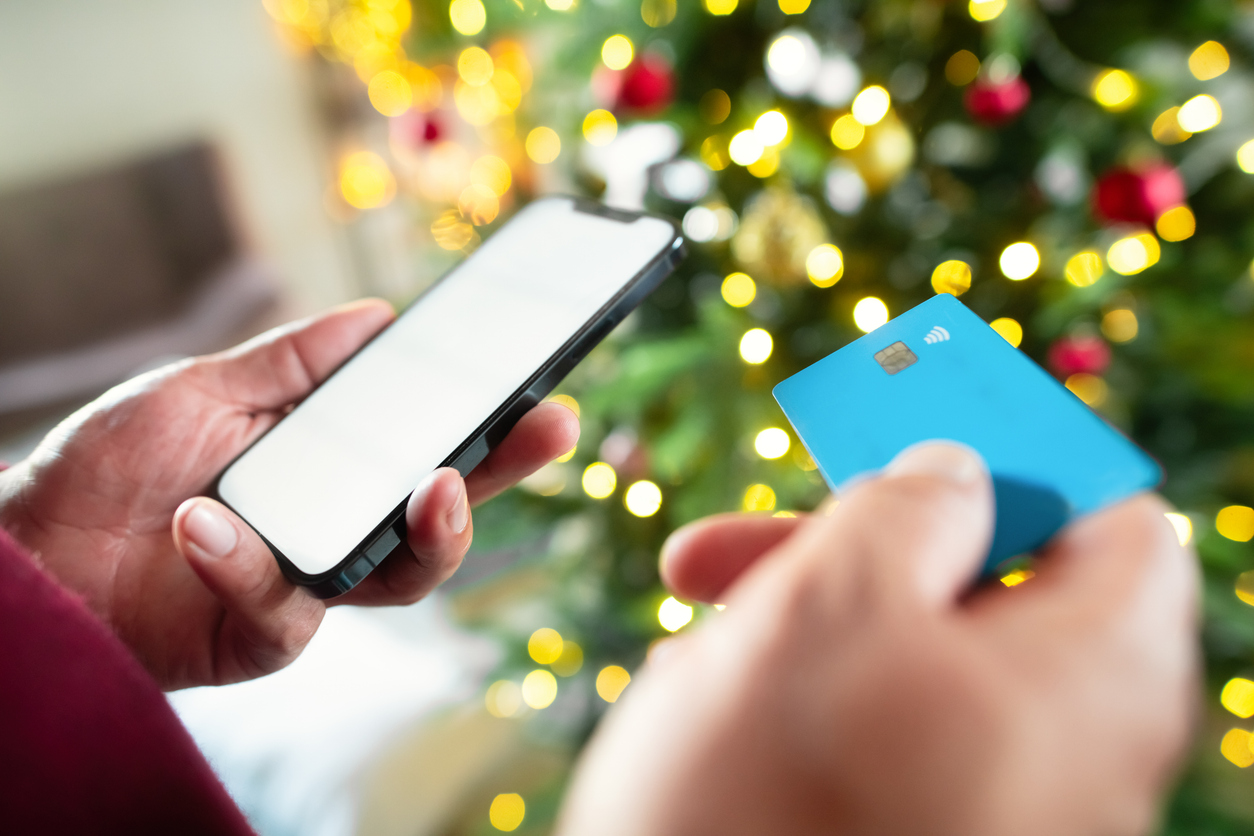
As the holiday season approaches, a surge in scams—including online purchase scams, delivery scams, QR phishing scams, and travel scams—is expected. These fraudulent activities have become more personalized, harder to detect, and are thriving amid heightened competition and increased regulatory scrutiny.
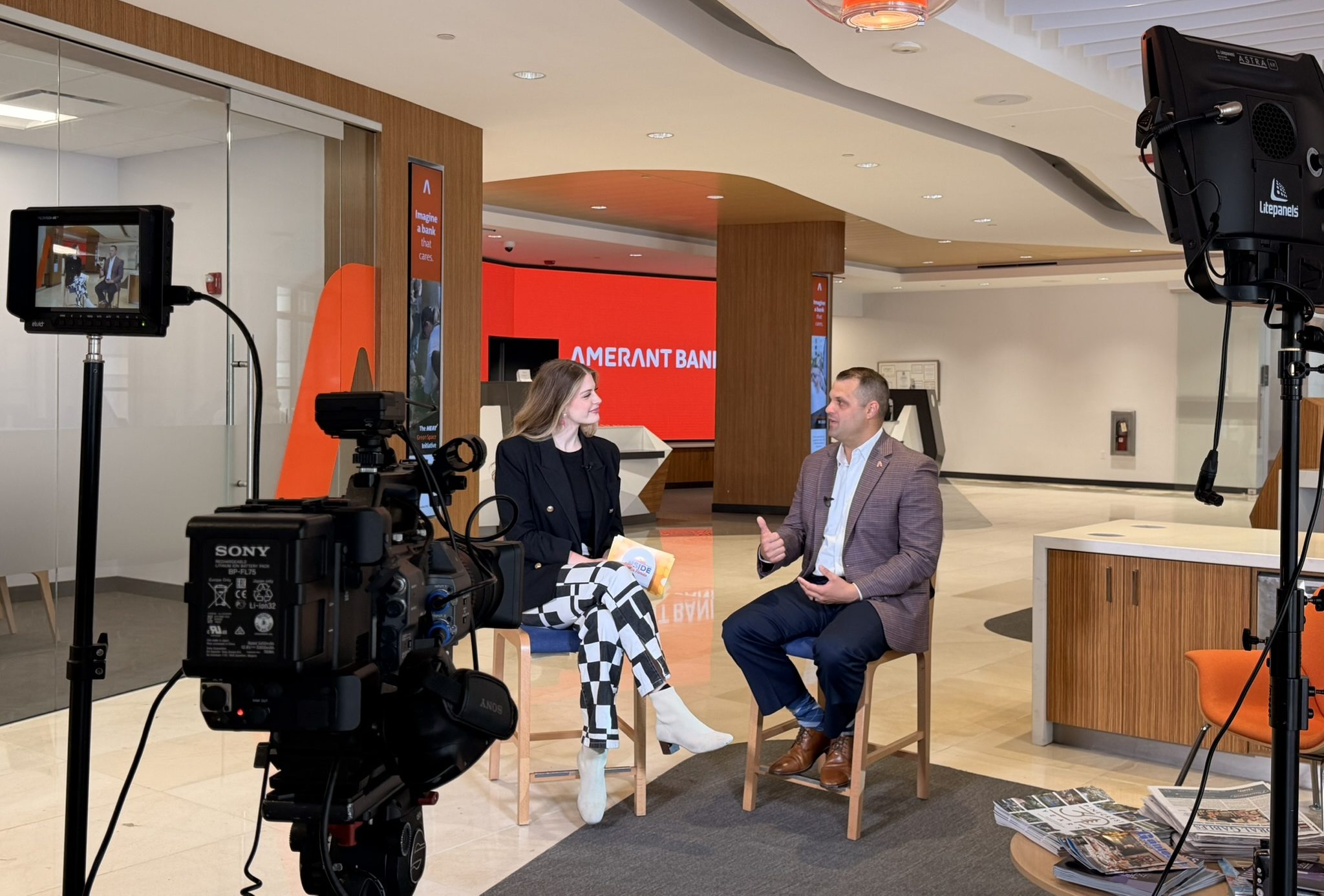
In this article, Amerant Bank highlights measures crucial to mitigating the risks associated with holiday fraud.
Holiday Fraud Statistics
Fraudsters exploit the extended holiday retail events, improved consumer confidence, and increased online activity during the festive season. The statistics reveal the magnitude of the challenge: according to the FBI’s 2025 Internet Crime Report, Americans reported more than 1 million complaints (1,008,597) and nearly $21 billion in losses from cyber-enabled crimes.
As consumers gear up for holiday shopping, it’s essential to stay aware of current and emerging technologies and the sophisticated tactics fraudsters use to steal data and funds.
Malicious links or websites
A malicious URL is a link created to promote scams, attacks, and fraud. When clicked on, malicious URLs can download malware, lead to phishing or spear-phishing websites, or cause other forms of cybercrime.
When accessing your online banking, always enter Amerant Online Banking using https://banking.amerantbank.com or TreasuryConnect using https://secure.amerantbank.com.
Phishing Calls
Phishing calls—or Vishing—use fraudulent phone calls to trick people into giving money or revealing personal information. Scammers use technology that “spoofs” phone numbers, meaning the Caller ID indicates the call is coming from Amerant, even though it is not. Be cautious of phone calls that require you to provide personal information.
Package Delivery Scams
A package delivery scam happens when you get an unsolicited text message about an unclaimed delivery, with a malicious link to supposedly “claim” a package that doesn’t exist. If a package is delayed or missing, do not click any links; contact the vendor directly, and do not provide any information or send payment information.
Zelle Fraud
Always confirm instructions with the recipient before you send money, ensure the transaction is legitimate, and do not give unauthorized parties access to your account or personal information. Banks will never ask for a passcode to complete or cancel a Zelle transaction.
Spoofed emails
Email spoofing is a threat that involves sending email messages with a fake sender address. Watch for spoofed emails that look real. Look carefully at their URLs; scammers often use domain names that are very similar to the ones they are impersonating. They are designed to look legitimate and can be difficult to spot.
QR Phishing Scams
The rise of QR phishing, known as quishing, adds another layer of concern. As QR codes become increasingly common for various purposes, malicious actors create fake QR codes that lead users to seemingly legitimate sites designed to download malware or extract sensitive data, payments, or credentials.
The deceptive nature of QR-directed domains on mobile devices, combined with tactics like geofencing and CAPTCHAs, makes it challenging for security filters to recognize URLs as fraudulent. Quishing scams target individuals and businesses, aiming to commit identity theft and spread malware through schemes like fake parking meter codes, marketing ads, and email scams.
Blue Check Scams
One prevalent avenue for scams during the holidays involves the misuse of social media platforms. While using social media to connect with brands, consumers need to be cautious of fraudulent activity behind fake or stolen profiles. Scammers exploit platforms like X, using tactics such as optional ID verification limited to specific regions.
Victims are targeted through scam blue tick accounts, tricking them into revealing personal information or coercing them into moving to another platform under the guise of accessing refunds or escalating investigations. Additionally, reports indicate that high-profile accounts have been hacked to disseminate malicious content.
Tech Support Fraud
This evolving scam often begins with pop-up windows, emails, or text messages that falsely warn of suspicious activity or security issues. Fraudsters impersonate representatives of trusted companies, such as Microsoft, Dell, or Apple, and persuade victims to grant remote access to their devices. Once they gain access, scammers may take control of the device, steal personal or confidential information, or use it to commit fraud.
Holiday Travel Scams
Holiday travel schemes are also on the rise, targeting consumers searching for budget-friendly options during peak travel and vacation times. Scammers sell falsified, unauthorized vignettes in tourist shops, posing the risk of fines for unsuspecting travelers.
Additionally, scammers intercept customer calls to legitimate airlines and travel companies, impersonating representatives to execute payment and refund scams. Fraudulent third-party travel booking and insurance sites exploit consumers by charging extra fees for minor travel modifications or offering non-existent flights, hotels, or insurance policies.
In conclusion, as the 2026 holiday season unfolds, consumers and financial institutions alike must stay vigilant and take precautionary measures to keep their finances safe. Awareness of current and evolving fraud trends is crucial to your financial security and overall peace of mind during this festive period.
Related posts

 Security