

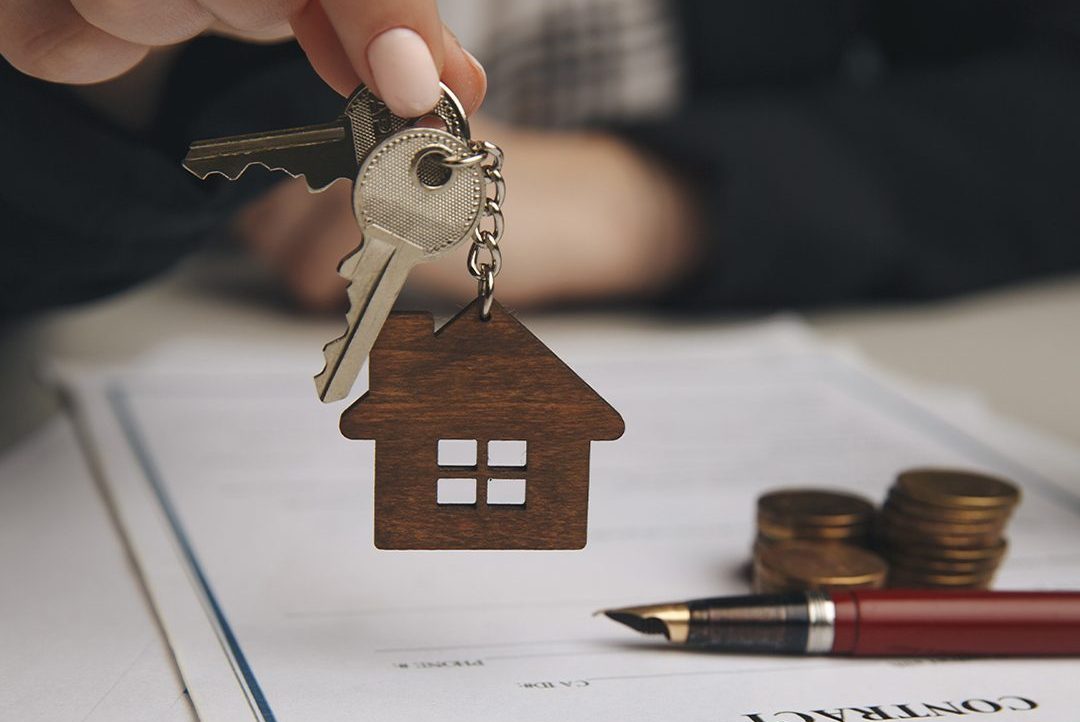
Florida remains one of the most active housing markets in the country. With steady population growth, strong job opportunities, and diverse communities throughout the state, many buyers are looking to Florida when purchasing a home. Whether you’re considering a property in a metropolitan city or a quiet coastal town, you have many options.
While many buyers prefer to work with a real estate agent for guidance throughout the buying process, some choose to navigate it on their own. This decision involves several factors, such as the desire to take a more direct role in the transaction or the possibility of negotiating a lower purchase price.
Buying a home on your own can be beneficial if you are prepared and understand the steps involved. Before moving forward, it’s important to consider the advantages, risks, and responsibilities of buying a house without a realtor.
Pros and Cons of Buying a House Without a Realtor
Benefits
Some buyers prefer to manage the process themselves. This is especially true if they are comfortable researching properties and negotiating directly with sellers.
Potential benefits include:
- Cost savings: Real estate commissions get split between the seller’s and buyer’s agents. By purchasing directly from the seller, you may have room to negotiate a better price.
- Direct communication with the seller: With fewer parties involved, discussions about price, timing, and property details can move faster.
- Greater involvement in the process: You have full control over how to evaluate properties, manage negotiations, and make decisions.
For experienced buyers or those who like to be more involved, these factors can make the process more appealing.
Drawbacks
At the same time, deciding to work without a real estate agent can lead to additional responsibilities.
Challenges may include:
- Limited professional guidance: Real estate agents provide expertise, analyze market value, and guide buyers through the negotiation process.
- Complex paperwork: Handling contracts, disclosures, and deadlines requires careful attention to prevent future complications
- Negotiation risks: Without experience in real estate transactions, it may be difficult to determine when to modify terms or request concessions.
For these reasons, many buyers who move forward without a realtor still rely on other professionals. These include attorneys, inspectors, and mortgage loan officers.
Steps to Buying a House Without a Realtor in Florida
If you decide to purchase a home in Florida on your own, follow a clear structure to help you stay organized and confident throughout the process.
Research the Florida Housing Market
Before beginning your search, take time to understand the housing market in the area where you plan to buy.
Focus on key factors such as:
- Average home prices in the neighborhood
- Recent sales of comparable properties
- Inventory levels and how quickly homes are selling
- Community factors such as schools, commute times, and nearby amenities
Online listing platforms, county property records, and local housing reports can provide useful insights. The more familiar you are with the market, the easier it will be to evaluate whether a home’s sale value is fair.
Find and Evaluate Properties
Once you understand the market, you can begin searching for properties. Many buyers begin with online listings, which include homes listed by agents and those sold directly by owners.
FSBO (For Sale By Owner) platforms can be especially helpful when purchasing without a realtor. These listings let buyers connect directly with sellers who are managing the sale themselves.
When visiting properties, take the time to look beyond surface details. Pay close attention to the condition of major systems, including roofing, plumbing, electrical systems, and HVAC units. Taking photos and notes during property visits can help you compare options later and make a more informed decision.
Make an Offer
After selecting a home, the next step is submitting an offer to the seller.
A typical purchase offer includes:
- Proposed purchase price
- Financing details
- Inspection contingency
- Proposed closing timeline
Researching comparable home sales can help you determine a reasonable offer. Since you will be negotiating directly with the seller, prepare for counteroffers. Negotiation may involve adjusting the purchase price, closing date, repair requests, or contingencies. Clear communication and realistic expectations can help both sides reach an agreement.
Hire a Real Estate Attorney
Even if you decide on buying a house without a realtor, hiring a real estate attorney is highly recommended.
An attorney can review contracts, explain legal obligations, and ensure the transaction complies with Florida real estate laws. They can also help prepare or review important documents such as the purchase agreement, title documents, and closing paperwork.
Having an experienced attorney involved provides an extra layer of protection throughout the transaction.
Conduct Home Inspections and Appraisals
Once your offer is accepted, the property inspection period begins.
During this stage, a licensed home inspector evaluates the property’s condition and prepares a detailed report outlining potential issues.
Common areas evaluated during inspections include:
- Structural components
- Roofing and drainage
- Electrical systems
- Plumbing systems
- Appliances and mechanical systems
If you are financing the purchase, your lender will also require a property appraisal to confirm that the home’s value supports the purchase price. Both inspections and appraisals are critical steps that protect your investment.
Secure Your Financing
Financing plays a central role in the homebuying process. Many buyers begin by obtaining mortgage pre-approval before actively searching for a home.
Pre-approval helps you understand how much you may be able to borrow. Furthermore, it narrows your home search to realistic price ranges and demonstrates that you are a trusted buyer. When evaluating lenders, consider more than just the interest rate. Loan terms, closing costs, and service experience can also influence your decision.
Working with a trusted mortgage team can help you evaluate your options and choose a financing solution that aligns with your goals.
Close the Sale
Closing is the final stage of the home purchase. During closing, you will review and sign the documents that transfer ownership of the property and finalize your mortgage.
Typical closing items include:
- Loan agreements and disclosures
- Title documents
- Closing cost statements
- Final settlement paperwork
Closing costs may include lender fees, title insurance, property taxes, and administrative charges. Once the parties sign the documents and the funding transfers, the property’s ownership officially changes hands.
Common Challenges and How to Overcome Them
As mentioned, buying a home without a realtor can create some challenges. With proper preparation and support, one can manage effectively.
Navigating Paperwork
Real estate transactions involve a significant amount of documentation.
Key documents may include:
- Purchase agreements
- Seller disclosures
- Inspection reports
- Financing documents
- Closing paperwork
Creating a checklist and keeping organized records can help you stay on top of deadlines and requirements.
Ensuring Compliance with Florida Laws
Florida real estate transactions must follow specific legal standards. Sellers must disclose known property issues, while buyers must meet contractual deadlines for financing and inspections.
A real estate attorney can help ensure that your transaction complies with these regulations.
Negotiating Repairs and Price Adjustments
Inspection results often lead to additional negotiations. If you discover any problems during the inspection, you can negotiate with the seller in several ways.
You may ask the seller to complete specific repairs before closing (often by licensed professionals and with receipts provided). You may also request a credit at closing to cover the cost of repairs you handle yourself after you take ownership. Another option is to review the purchase price to reflect the cost of necessary repairs or the reduced value. The best approach depends on the severity of the issues, the estimated repair costs, and the timelines in your purchase contract.
Approaching negotiations with clear documentation and realistic expectations can keep the transaction moving forward.
Key Tips for Success for Buying a House in Florida
Buying a house without a realtor in Florida requires preparation, attention to detail, and support from trusted professionals.
A few important reminders as you move forward:
- Research the market before making an offer
- Work with licensed inspectors and legal professionals
- Stay organized throughout the transaction
- Make sure your financing is in place early
Mortgage pre-approval is one of the most important steps you can take before beginning your home search. Knowing your budget allows you to move quickly when the right opportunity appears.
If you are planning to purchase a home in Florida, the Amerant Bank mortgage team is here to help. Our experienced specialists can guide you through the financing process and help you get pre-approved so you can move forward with confidence.
Contact the Amerant Bank mortgage loan officers today to learn more about your options and take the next step toward homeownership.
Related posts
 Mortgage

